"其他", 共 个
-
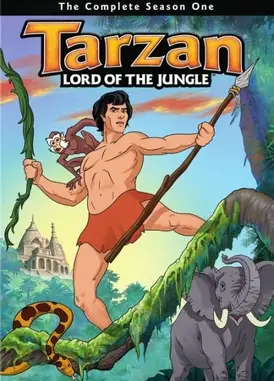
森林之王:人猿泰山 第一季
第16集 类型:暂无 上映:1976-09-11改编自同名小说。片中的泰山不仅要保护丛林中的动物,还要对抗世界上的各种不公。
-
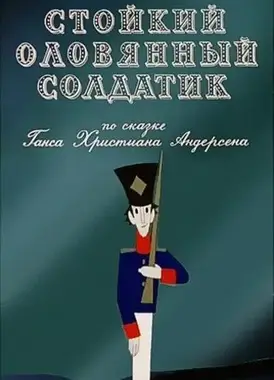
坚定的锡兵
类型:暂无 上映:1976-08-15苏联联盟动画电影1976年根据安徒生同名童话创作的动画短片。
-
彩虹飞车
第1集 类型:暂无 上映:1976-05-20A short film which follows two ducks and a robot who spend their day at an amusement park.
-
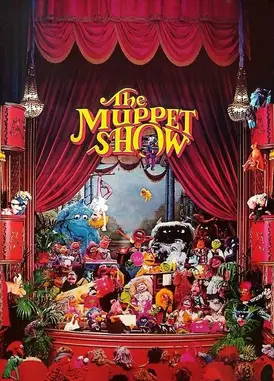
布偶秀
第24集 类型:暂无 上映:1976-01-29Kermit the Frog and his friends struggle to put on a weekly variety show.
-
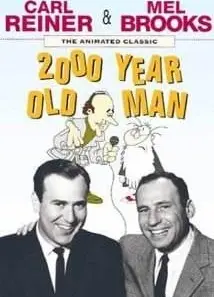
两千岁老人
第1集 类型:暂无 上映:19752000 Year Old Man is an old Brooks-Reiner comedy routine turned into a half-hour animated TV special. Reiner, a TV reporter, interviews Brooks, a man claiming to be 2000 years old. The interview consists of a serious of questions regarding the history of the world. Brooks' answers to Reiner's questions are priceless.
-
涂绘的闪电
类型:暂无 上映:1975 -
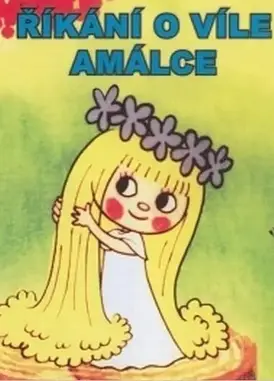
小仙子阿玛露卡
第13集 类型:暂无 上映:1975A young forest nymph named Amálka is formed by mist and wind. The series chronicles her adventures in the forest clearing where she was created.
-
幻象
类型:暂无 上映:1975"Every living thing that shares the planet with us has had to adapt and evolve over millions of years. Every flower, every insect, every animal is a miracle waiting to be discovered, a marvel to be respected and loved. But we like to replace them with our own inventions, served up by the magicians of advertising, the promoters of progress and over-consumption. Unfortunately, these inventions are outmoded all too quickly. They break down, often taking with them that which is essential to our lives and happiness, the elements needed to sustain the real miracles accomplished by nature."
-
登月飞行
类型:暂无 上映:1975The utopian vision of a lunar spacecraft voyage that will affect life on Earth.
-
人人爱旋转木马
类型:暂无 上映:1975 -
石头
类型:暂无 上映:1975元タイトルは『グー2号』で、日本のインディーズアニメの創始的な作品とされている。石や家、周囲の自然景観は絶えず変化している。
-
透视画法
类型:暂无 上映:1975利用线和面趋向会合的视错觉原理,以现实的手法在两维的平面上刻画三维物体的艺术,被称作“透视画法”,它提供了一个对物体或景色的三维观察视角。 Georges Schwizgebel讲述何为“透视画法(Perspectives)”,用的却是一段约两分钟的影像和一段流畅配乐。舞台上将众多焦点集于一身的女模特,从其它的视角去看,有可能是一个正在运动的男人或奔跑的猛兽形象,此物与彼物可以是同一个物体,不过观众观看的角度有异而已。
-
步骤
第1集 类型:暂无 上映:1975 -

伟大
第1集 类型:暂无 上映:1975An animated film about the British engineer Isambard Kingdom Brunel, who spearheaded numerous engineering marvels of the early 19th century - including the Thames Tunnel, the Great Western Railway, and the Great Eastern steamship (for 40 years the world's largest steamship). Various styles of animation are used to depict events in his colorful life.
-
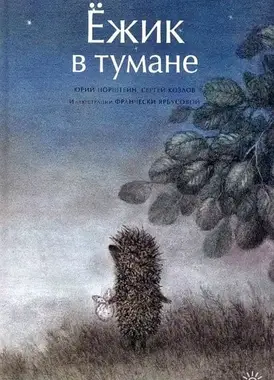
迷雾中的小刺猬
HD中字 类型:暂无 上映:1975“动画的世纪•100部作品”第49名。
-
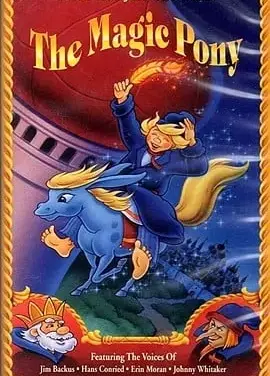
神驼马
第1集 类型:暂无 上映:1975-10-24The Humpbacked Horse Dubbed in the United States as "The Magic Pony," (Russian: Конёк-Горбуно́к; tr.:Konyok Gorbunok) is a 1947 Soviet/Russian traditionally-animated feature film directed by Ivan Ivanov-Vano and produced by the Soyuzmultfilm studio in Moscow. The film is based on the poem by Pyotr Pavlovich Yershov, and because of this everyone in the film speaks in rhymes. A remake was made in 1975 by the same director and studio.
-
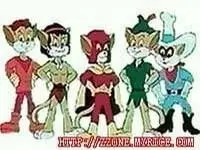
猫人沃尔特
第13集 类型:暂无 上映:1975-09-06沃尔特总是会在片头的时候幻想“如果我是猫人多好…”然后进入动画片,片中的猫人所向无敌。开始,它只是一只普通的猫,当女朋友有危险的时候就开始幻想自己是猫人,一共有五个身份。它们来自同一公司的其它作品,分别是《星际旅行》--柯克船长猫,泰山猫即猫人,蝙蝠侠猫,罗宾汉猫,还有孤胆奇侠猫。打败反派狗们然后再变到真猫的时候就会想出办法解决问题,然后,营救菲利西雅小姐。
-
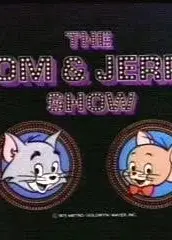
新版猫和老鼠
第16集 类型:暂无 上映:1975-09-06Here, in a much toned down, non-violent, Yogi Bear and Boo Boo-esque format, the long-popular Tom and Jerry, after years of fighting, have finally become the best of friends in episodes wherein they roamed the world competing in sports, enduring on-the-job misadventures, running afoul of dastardly villains, solving mysteries and helping others. Some of the time, they are pretty competitive against each other. Quacker appears only once in this series, with Don Messick voicing the duckling. The characters Toodles Galore, Butch, Lightning, Topsy, Meathead, Tyke, Tuffy, Mammy Two Shoes, Joan and George do not appear in this show. Also, Jerry wears a red bow tie in the series.
-
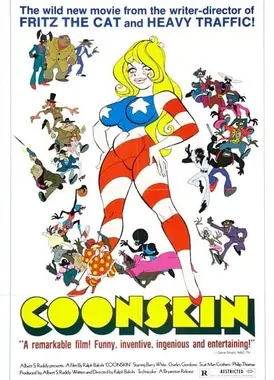
浣熊皮
第1集 类型:暂无 上映:1975-08-20 -
马戏团序曲
第1集 类型:暂无 上映:1975-04-12Suzan Pitt被认为是当代最为著名的独立实验动画艺术家之一,她的作品《Asparagus》曾和大卫林奇的《橡皮头》同时在奥伯豪森短片电影节上获奖。 Suzan Pitt自1970至今创造了15部动画作品,常常与音乐家合作,其中包括“碗(Bowl )”(1970)、“芦笋(Asparagus )”(1979)和“欢乐街(Joy Street )”(1995)等。她的作品在全世界众多的电影节和、沙龙展、大学和博物馆播放,包括芝加哥艺术学会、徒步者艺术中心和耶鲁大学等地。她曾经获得包括洛克菲勒基金会合作基金(一个专为公共艺术作品所设立的奖项),富步莱特法案基金学者奖和哈福大学研究基金等。同时,她也任教于许多大学,近来在加利福利亚艺术学会执教。
-
远航未来
第1集 类型:暂无 上映:1974以下是来源于IMDb上的评论 'Voyage into Next (1974)' is a quaint little anti-war statement, the sort of laid-back, hippie-inspired short film that one would expect the 1970s to have produced. But it was also directed by John and Faith Hubley, a husband-and-wife animating team whose work is more subtle and understated than most. Many of the pair's films were produced by animating unrehearsed conversations (usually) between two people, and I had previously enjoyed their 'Windy Day (1968),' which excellently utilised this free-wheeling technique. 'Voyage into Next' was obviously more tightly-scripted, and that the film was to be an anti-war cartoon restricted the voice actors (namely Maureen Stapleton and Dizzy Gillespie) in which conversational paths they could take. Stapleton and Gillespie play Mother Earth and Father Time, respectively, as they observe the destructive conflicts waged between the human nations (represented here as floating boxes) and ponder why our species so unthinkably forgot the virtues of sharing that allowed our ancestors to progress beyond the Stone Age. There's nothing particularly impressive about the Hubleys' style of animation – minimalist line-drawn human figures highlighted with soft shades of colour – but their style is distinctive, later influencing short films such as the Oscar-winning 'Leisure (1976).' The two well-known voice actors are perfectly chosen (Dizzy Gillespie has one of the coolest-sounding voices ever), and the jazz musician's music is employed successfully to create the film's lighthearted mood, despite the grimness of the subject matter. Mother Earth and Father Time oversee their lilliputian creations, hidden amid mini puffs of artillery smoke, and contemplate their inability to alter human history. The future, it seems, is not in the hands of the gods, but in our own. Of course we have the ability to achieve peace and mutual understanding once more… but will we attain it in time? 'Voyage into Next' was nominated for an Academy Award in 1975, but lost out to the inferior claymation 'Closed Mondays (1974).
-
色彩
类型:暂无 上映:1974 -
日记
类型:暂无 上映:1974 -
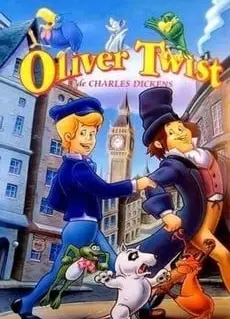
雾都孤儿
类型:暂无 上映:1974An orphan named Oliver Twist meets a pickpocket on the streets of London. From there, he joins a household of boys who are trained to steal for their master.